
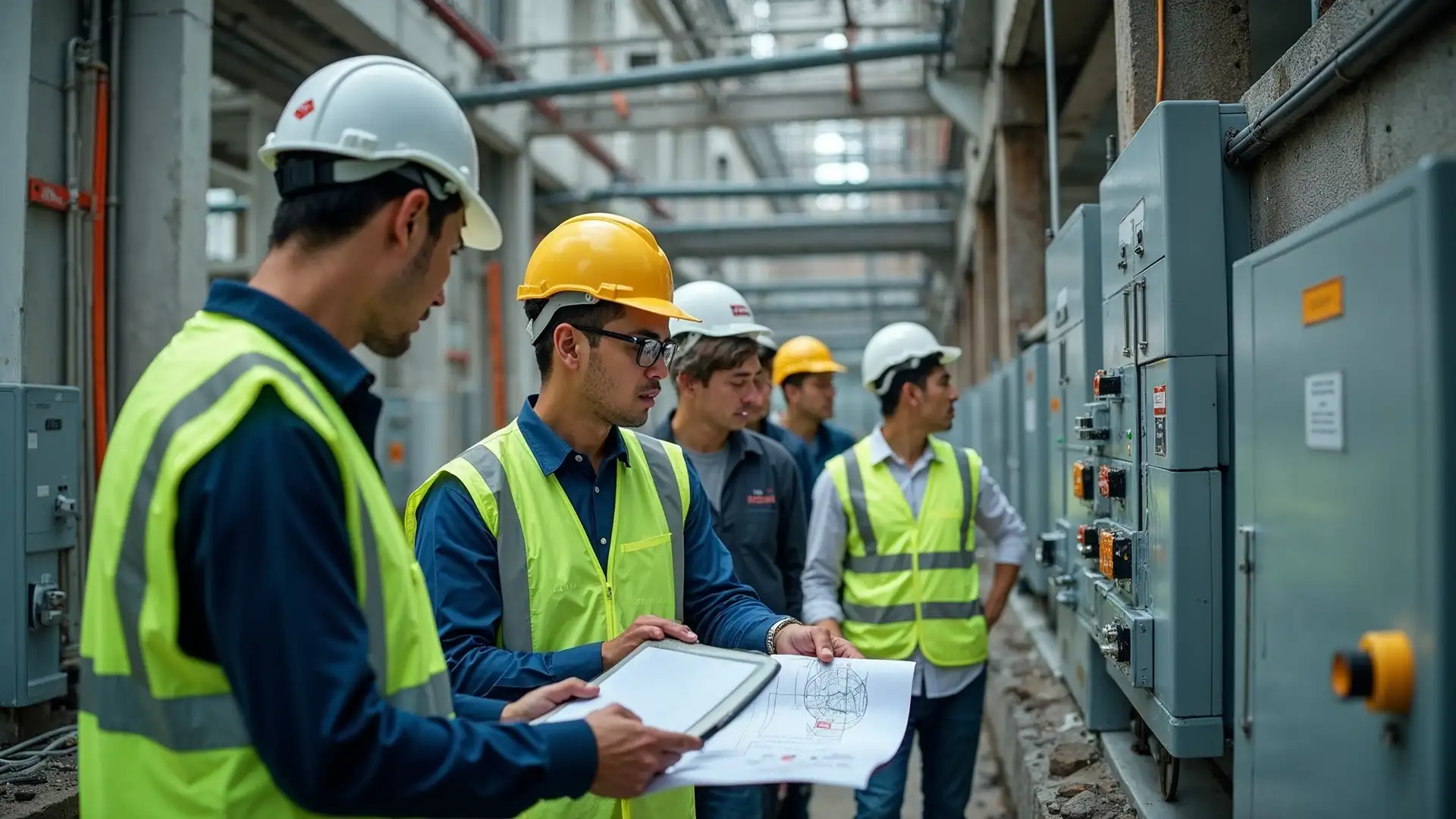
The electrical engineering landscape in Malaysia is changing quickly. Developers, QS teams, consultants, and facility managers are facing tighter timelines, higher load demands, and increased expectations for system reliability. These pressures influence how electrical works are designed, coordinated, and delivered on site.
Here are three practical trends that will shape Malaysian projects in 2026.
1. Why are electrical rooms in Malaysia getting smaller?
Built-up space is becoming more expensive. Many commercial and mixed-use projects now prioritise leasable or sellable areas. This often results in electrical rooms that are reduced to the minimum allowable footprint.
Small electrical rooms may appear efficient on paper, but they often cause these problems during construction:
- congested cable routes
- limited working space for installation
- restricted panel access for testing and commissioning
- poor airflow that increases heat stress on equipment
For developers and consultants, early coordination helps avoid costly redesigns. For contractors, clear routing plans and structured installation sequencing reduce rework. A properly sized electrical room supports system safety and long term maintainability across the asset’s lifecycle.
2. Why are Malaysian facilities seeing higher power density?
Many Malaysian buildings are now carrying significantly higher loads compared to their original design assumptions. For example, recent reporting notes that data-centre growth in Malaysia accounted for about 20% of the country’s electricity output growth in 2024, and this figure is expected to rise to 70-90% in 2025-26. (BusinessToday, The Star)
This surge in load is driven by:
- increased use of heat-generating equipment
- rapid expansion of IT systems and automation
- higher cooling loads due to weather conditions
- more specialised tenants with heavier electrical requirements
Higher power density puts pressure on distribution boards, cable sizing, earthing performance, and cooling strategies. The risk of voltage drops, overheating, and premature equipment wear increases if the design is not updated to reflect actual demand.
As Malaysia continues moving toward data driven operations, this trend will intensify. The best approach is early planning that includes realistic load allocation and space for future expansion.
3. Why are more Malaysian clients choosing preventive testing?
Breakdowns are costly for Malaysian businesses. Unplanned downtime affects safety, production, and regulatory compliance. This is why preventive testing is gaining momentum across commercial and industrial facilities.
Common preventive tests include:
- infrared thermography
- insulation resistance testing
- earth resistance checks
- load flow studies
- functional tests for critical systems
These tests provide early detection of failures that would otherwise be missed. In Malaysia’s context, as large-scale infrastructure (such as data centres) expands, the need for reliable power systems becomes critical — the government has committed to upgrading grid infrastructure to meet this demand. (Reuters, Focus Malaysia)
More Malaysian organisations are now including preventive testing cycles in their annual budget instead of waiting for repairs. This shift improves reliability and makes long-term planning easier for both facility teams and project owners.
What these trends mean for 2026 projects
- Electrical rooms will require more attention.
- Power density will continue to rise.
- Preventive testing will become standard practice.
For developers, consultants, and facility teams in Malaysia, the key advantage lies in early coordination and accurate planning. Clean execution reduces rework and ensures that electrical systems remain safe, stable, and ready for future load growth.
If you are preparing for 2026 project cycles, upgrades, or expansions, the right groundwork now will ensure a smoother construction sequence later.
 The Golden Bull Award for Outstanding SME