
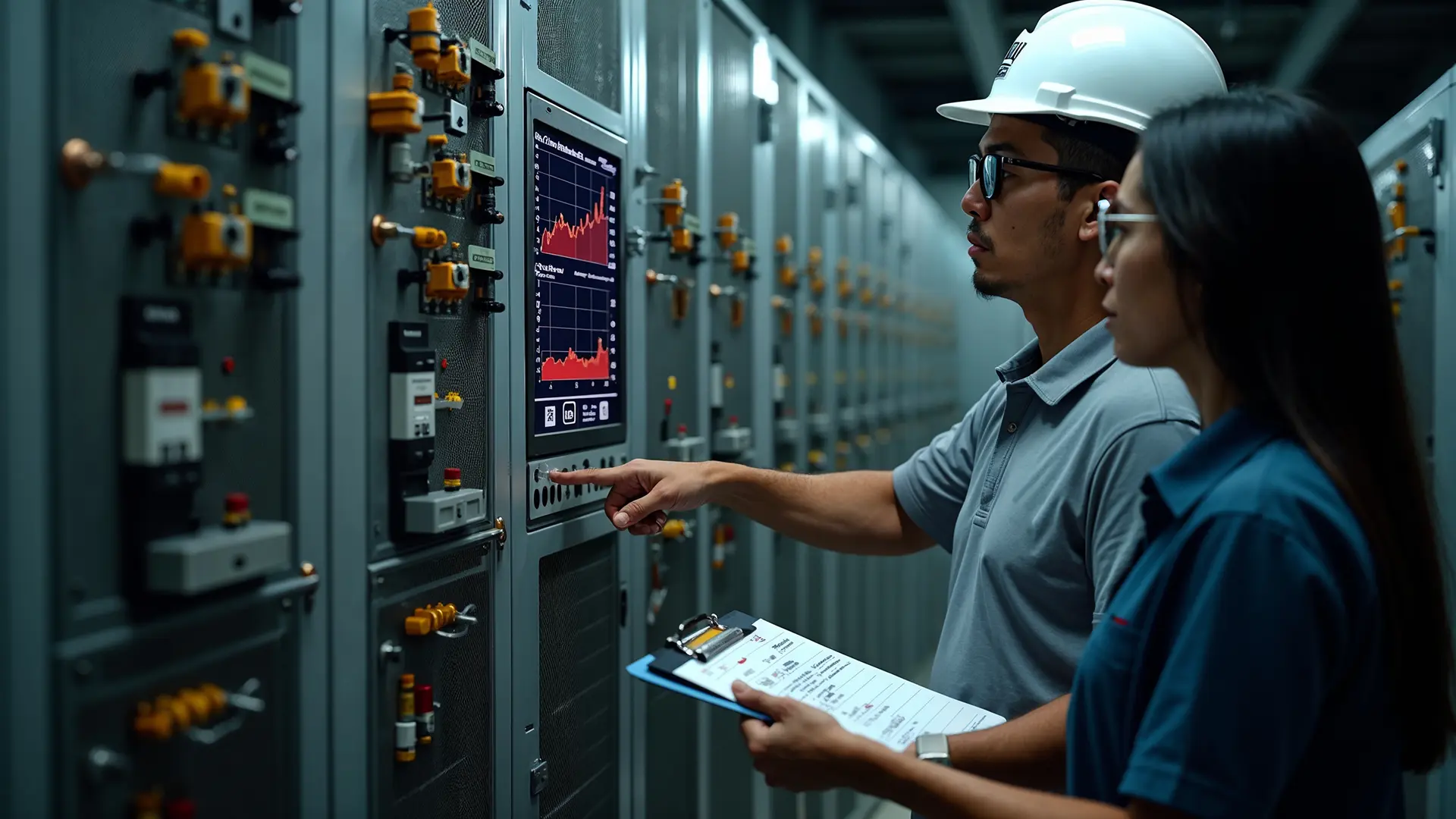
Energy efficiency is often discussed at a system level, with a focus on overall consumption and performance targets.
In practice, energy loss rarely comes from a single source. It occurs across different parts of the system, shaped by design decisions, installation quality, and how systems operate under real conditions.
At Pro E, understanding where these losses occur is key to improving performance and controlling long-term operating cost.
Energy loss is distributed across the system
Electrical systems are made up of multiple components working together. Losses are not isolated to one element, but occur throughout the system.
This means that improving efficiency is not about addressing one issue, but understanding how different parts of the system contribute to overall performance.
Common sources of energy loss
- Routing and cable length
Longer cable runs increase resistance, leading to higher energy loss. Routing decisions made early in the project can have a lasting impact on efficiency. - Heat build-up under load
As systems operate under sustained load, heat is generated. Increased temperature can reduce efficiency and affect equipment performance over time. - Systems operating outside optimal range
Oversized or undersized systems may not operate within their most efficient range, leading to unnecessary energy consumption. - Connection and installation quality
Loose connections or inconsistent installation can introduce additional resistance, contributing to energy loss. - Evolving system usage
As systems are modified or expanded, additional loads and changes in operation can introduce inefficiencies that were not present in the original design.
Why these losses are often overlooked
Many sources of energy loss are not immediately visible.
- systems may still meet performance requirements
- losses may appear small at a component level
- impact accumulates gradually over time
Because of this, inefficiencies are often accepted as part of normal operation, even when they can be reduced.
The link between energy loss and operational cost
Energy loss directly affects how much a system costs to operate.
When losses increase:
- more energy is required to achieve the same output
- thermal stress can affect equipment lifespan
- operating costs become less predictable
In a stable cost environment, these effects may not be immediately noticeable. In a more volatile environment, they become significantly more important.
How Pro E approaches energy performance
At Pro E, we focus on how systems perform in real conditions, not just at the design stage.
Our approach includes:
- Careful routing and layout planning
Minimising unnecessary cable lengths and maintaining efficient system structure. - Designing for realistic operating conditions
Ensuring systems operate within optimal ranges under expected load. - Maintaining installation quality
Ensuring connections and installation practices support consistent performance. - Planning for system evolution
Allowing systems to adapt to changes without introducing unnecessary inefficiencies.
In practice, this leads to more efficient systems, lower losses, and better control over long-term operating cost.
From system design to real-world performance
Energy efficiency is not defined by a single decision. It is the result of how systems are designed, built, and operated over time.
By understanding where energy loss occurs, project teams can take practical steps to improve performance and reduce unnecessary cost.
At Pro E, we approach every project with a focus on real-world performance:
Efficiency is not just about reducing consumption. It is about reducing loss.
Conclusion
Energy loss is not always obvious, but it is always present.
It occurs across the system, shaped by design, execution, and operational changes.
By identifying and addressing these areas early, electrical systems can perform more efficiently, operate more reliably, and deliver better long-term value.
Pro E is an electrical contractor in Penang delivering execution-focused electrical engineering solutions for commercial and industrial projects across Malaysia.
 The Golden Bull Award for Outstanding SME