
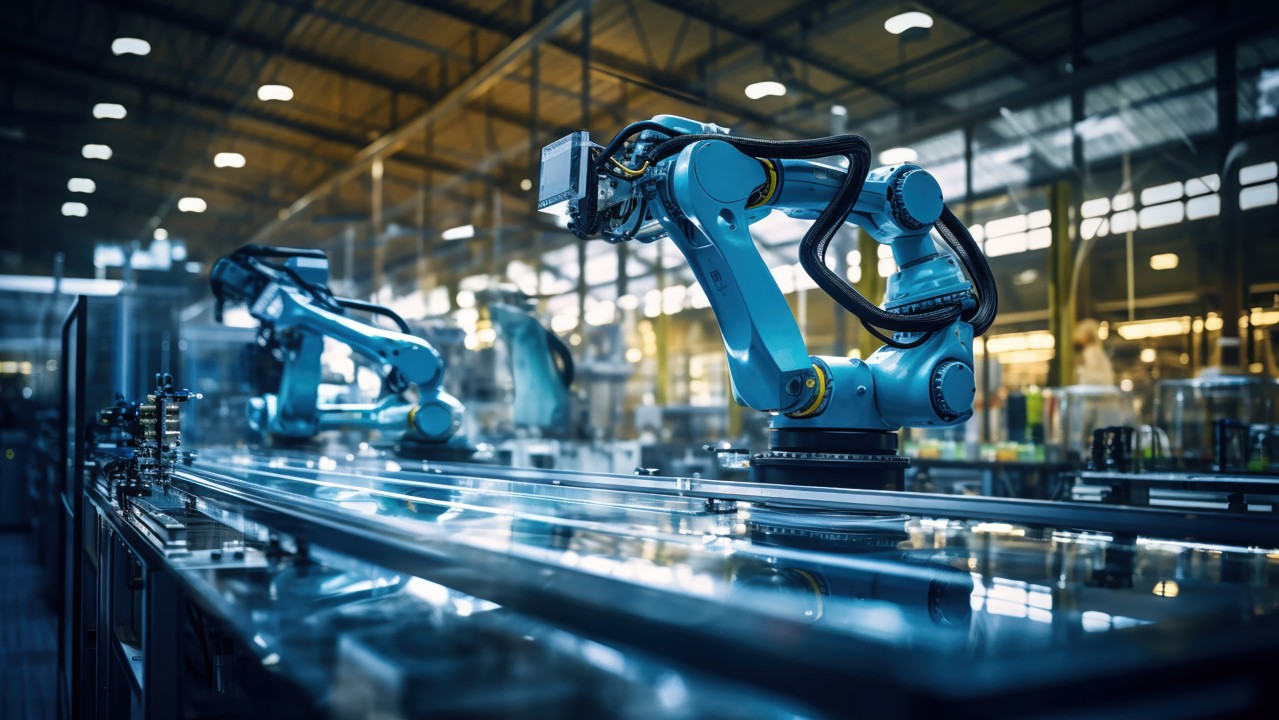
The manufacturing sector in Malaysia is on the brink of an energy revolution. As industries face rising costs, evolving regulations, and growing sustainability demands, energy efficiency is no longer just an operational improvement—it’s a strategic necessity.
The Shift Towards Smarter Energy Management
Manufacturers are increasingly leveraging smart technologies to optimize energy use and cut costs. From AI-powered energy management systems to IoT-enabled automation, factories are moving toward data-driven decision-making. These technologies allow businesses to:
- Monitor energy consumption in real time.
- Automate adjustments to reduce wastage.
- Predict and prevent inefficiencies before they escalate.
Regulatory and Market Forces Driving Change
With Malaysia’s Energy Efficiency and Conservation Act (EECA) in effect, businesses must rethink how they consume energy. Beyond regulatory compliance, companies that invest in energy-efficient solutions gain a competitive edge. Government incentives and subsidies are also making it easier for manufacturers to transition to sustainable operations.
Key Trends Shaping the Future
- AI-Driven Energy Optimization – AI and machine learning are enabling predictive energy management, helping manufacturers make smarter, faster decisions.
- On-Site Renewable Energy – More factories are integrating solar and other renewable sources to supplement grid power and reduce long-term costs.
- Energy-Efficient Machinery & Retrofitting – New high-efficiency equipment, coupled with upgrades to existing systems, is driving significant savings.
- Smart Grids & Demand Response – Manufacturers are working with energy providers to optimize grid use, taking advantage of lower tariffs during off-peak hours.
- Circular Economy Practices – Energy efficiency is expanding beyond power consumption, with companies optimizing waste management, recycling, and resource recovery.
How Manufacturers Can Stay Ahead
✔ Conduct Energy Audits – Understanding current energy usage is the first step toward meaningful improvements.
✔ Invest in Smart Technologies – Automation, IoT, and AI can drive efficiency gains and cost reductions.
✔ Leverage Government Incentives – Taking advantage of available funding can ease the transition to energy-efficient practices.
✔ Train and Engage Employees – A culture of energy awareness ensures that efficiency improvements are sustained long-term.
The Future is Energy-Smart
Energy-efficient manufacturingis a strategy for resilience, cost savings, and long-term growth. As the industry evolves, companies that embrace smart energy management today will lead the way into a more sustainable and profitable future.
 The Golden Bull Award for Outstanding SME