
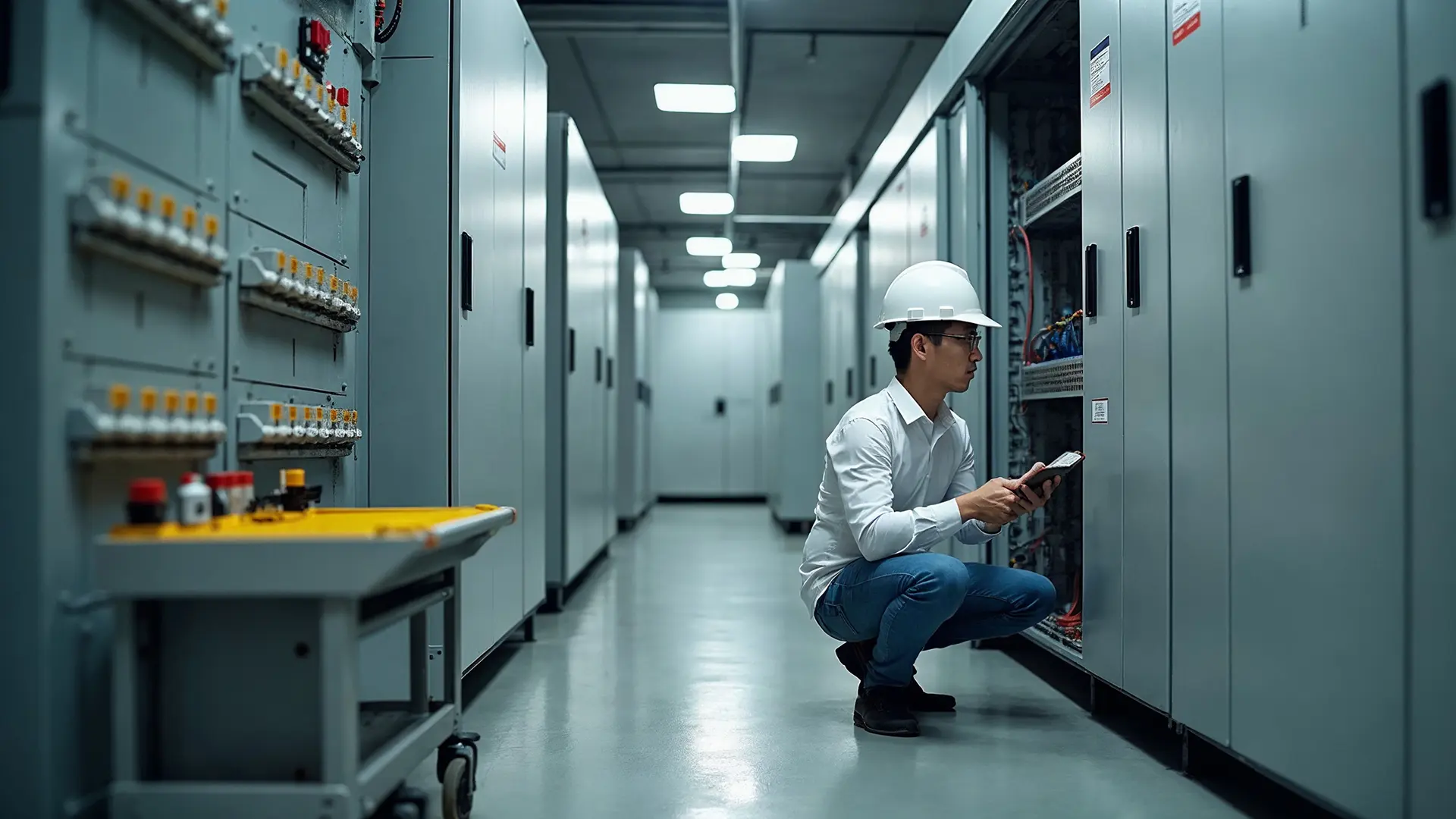
Electrical safety involves more than installing the right equipment and ensuring sufficient power capacity. Behind a facility’s electrical distribution network are protective systems designed to manage electrical faults, reduce hazards and support safe operation.
Among these are earthing, bonding and lightning protection systems. Although they are closely related, each serves a distinct purpose.
For industrial and commercial facilities, understanding these differences is important when planning new installations, upgrading existing infrastructure or maintaining electrical systems.
1. Earthing: Supporting Electrical Safety
Earthing provides a connection between designated parts of an electrical installation and the earth. When properly designed and installed alongside suitable protective devices, it helps manage electrical fault conditions and supports protection against electric shock.
In an industrial or commercial facility, earthing arrangements may form part of the protection strategy for electrical distribution equipment, machinery and other installations.
However, the presence of an earth connection alone does not guarantee safety. Its effectiveness depends on factors such as system design, continuity, installation condition and coordination with protective devices.
2. Bonding: Managing Dangerous Voltage Differences
Earthing and bonding are often mentioned together, but they are not the same.
Protective bonding connects relevant conductive parts to help minimise dangerous voltage differences between them under specified conditions.
This is particularly important in facilities containing extensive electrical equipment, metal structures and interconnected services.
Proper bonding should therefore be considered as part of the overall electrical protection design, rather than as an isolated installation detail.
3. Lightning Protection: Managing External Risks
Lightning presents a different type of electrical hazard.
A lightning protection system is designed to intercept lightning strikes and provide a controlled path for lightning current, helping reduce the risk of damage to structures and associated hazards.
Depending on the facility’s risk assessment and design requirements, a lightning protection arrangement may include air-termination components, down conductors and an earth-termination system.
Surge protective devices may also be required as part of a coordinated protection strategy to help limit transient overvoltages affecting electrical and electronic equipment.
Importantly, lightning protection cannot eliminate every risk associated with a lightning event. Appropriate design, installation, inspection and maintenance remain essential.
4. Why These Systems Matter for Facilities
For industrial and commercial facilities, the consequences of inadequate electrical protection can extend beyond individual equipment.
Potential concerns include:
- Personnel safety: Electrical faults and lightning-related events can create hazardous conditions.
- Equipment protection: Fault currents and transient overvoltages may damage electrical and electronic systems.
- Operational disruption: Damage or faults affecting critical electrical infrastructure can interrupt facility operations.
- Long-term reliability: Deterioration, modifications or poor connections may affect the performance of protective arrangements over time.
These considerations become especially important when facilities expand, introduce new equipment or modify existing electrical infrastructure.
5. Protection Should Be Considered Throughout the Facility’s Lifecycle
Earthing, bonding and lightning protection should not be treated simply as installation items to be completed during construction.
Changes to electrical distribution systems, building structures or equipment layouts may affect existing protection arrangements. Inspection, testing and maintenance help identify conditions that require further assessment.
For facility owners and managers, the practical priority is to ensure that protective systems remain appropriate for the installation and are assessed by suitably qualified personnel when changes or concerns arise.
A Coordinated Approach to Electrical Protection
Earthing, bonding and lightning protection address different electrical risks, but all contribute to a facility’s wider safety and protection strategy.
Pro E provides earthing, bonding and lightning protection solutions as part of its electrical engineering capabilities for industrial and commercial facilities. By considering these requirements alongside electrical distribution and other supporting systems, protection can be better coordinated with the facility’s overall infrastructure.
About Pro E
Pro E Sdn Bhd is a Penang-based electrical engineering company serving industrial and commercial facilities. Our capabilities include MV/LV electrical distribution, power systems, building electrical services, ELV systems, testing and commissioning, and electrical maintenance. From planning and installation to ongoing technical support, Pro E provides practical electrical engineering solutions tailored to project and operational requirements.
Planning an electrical project or facility upgrade? Get in touch with Pro E to discuss your requirements.
 The Golden Bull Award for Outstanding SME