
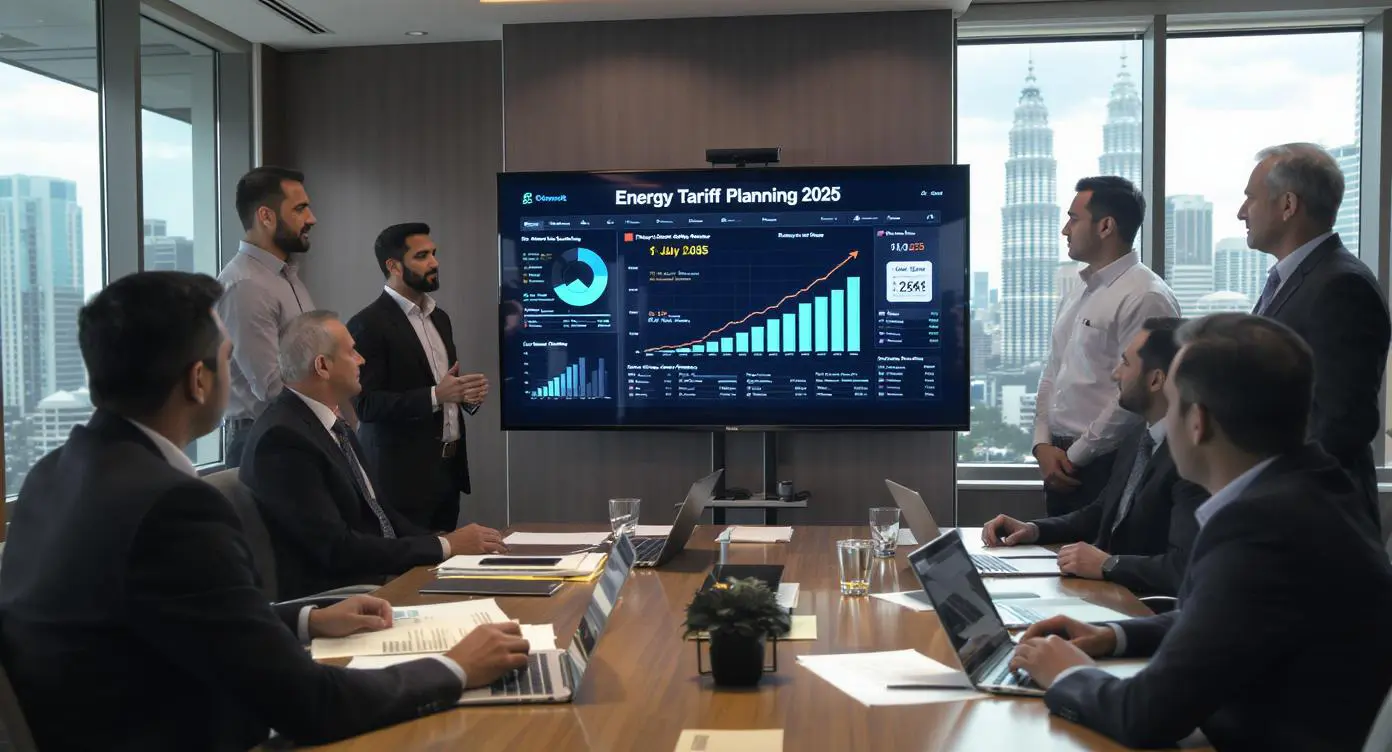
Starting July 2025, Peninsular Malaysia transitioned from the biannual ICPT system to the new Automatic Fuel Adjustment (AFA) mechanism, a major shift in how electricity tariffs are calculated and what that means for facility operators. If you’re responsible for operations, budgeting, or electrical infrastructure, this directly affects your facility’s cost and planning strategies.
What is AFA, and how does it work?
In simple terms, the AFA allows monthly adjustments to electricity tariffs based on fuel and generation costs — with a cap of 3 sen/kWh. Unlike the previous ICPT (reviewed biannually), this mechanism responds faster to market conditions, giving industrial users a clearer view of how energy prices reflect fuel cost fluctuations.
Key points:
- Base tariff remains at 45.4 sen/kWh (as set in RP4 2025–2027)
- Monthly adjustments can go up or down depending on generation cost
- Incentivizes users to manage demand, especially during peak periods
So what does this mean for businesses?
If you’re running an energy-intensive operation, especially in manufacturing, data centres, or logistics, your energy planning needs to be more agile than ever. Here’s how the AFA changes things:
1. Cost control is no longer passive
You can’t just “set and forget” your electricity budget for the year. With monthly variation, even a small efficiency gain can tip the scales.
2. Load planning matters more
Systems that let you shift or flatten your load curve, like smart UPS, staggered operations, or automated controls, can help reduce your exposure during high-cost months.
3. Retrofitting pays off faster
With tariffs more closely tied to actual energy use, high-efficiency upgrades (e.g., switchboards, monitoring, harmonics control) now bring real, trackable returns, not just compliance.
Our take at Pro E: Design for agility, not just stability
Electrical infrastructure shouldn’t just “handle the load” — it should help manage it intelligently. We work with clients to:
- Review load profiles under different operating conditions
- Plan upgrades that help respond to peak/off-peak cost structures
- Design systems that are modular and adaptable to future energy goals
A quick self-check for your facility
Consider these red flags:
- Your facility uses significant electricity (>1 MW)
- You lack real-time load data
- You’re planning upgrades or redesigns in the near term
If any sound familiar, proactive attention now can avoid surprises later.
The AFA is just the beginning. Malaysia’s energy framework is evolving and we’re here to help you adapt confidently. Drop us a message at info@proe.com.my or visit our new website to learn more about how we help businesses stay ahead of cost and compliance.
 The Golden Bull Award for Outstanding SME